Storm Restoration Services in Kansas City
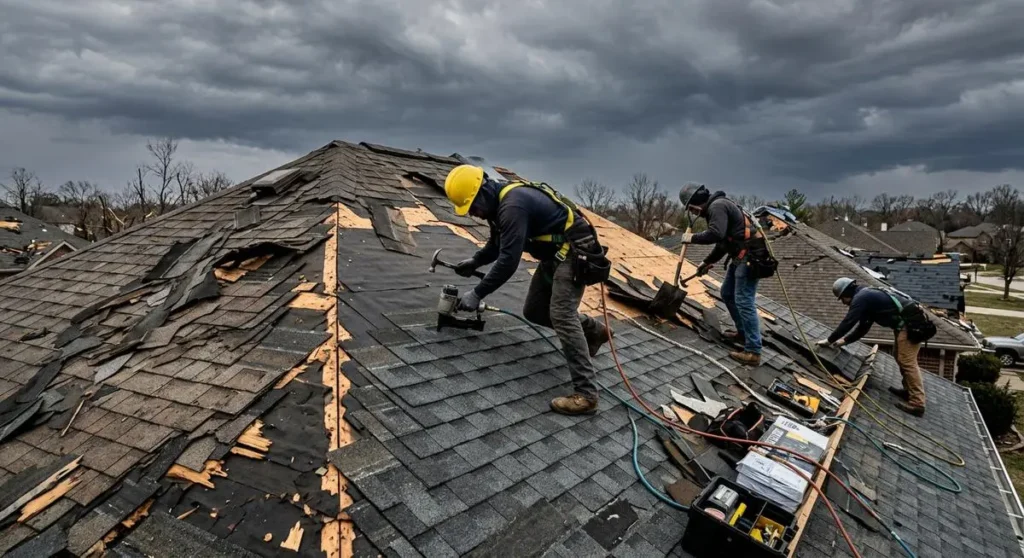
Kansas City experiences a wide range of weather conditions throughout the year. Heavy rain, hailstorms, tornadoes, high winds, and snow can all take a toll on residential and commercial properties. When severe weather strikes, quick action can make the difference between a minor repair and a costly reconstruction project. That is why Storm Restoration Services in Kansas City play such an important role in protecting homes, businesses, and investments.
Storm damage is often more serious than it appears. A roof may look intact from the ground while hidden leaks slowly damage insulation, ceilings, and walls. Strong winds can loosen siding or break window seals without creating obvious signs at first. Water can seep into foundations, leading to mold growth and structural issues if it is not addressed quickly.
Professional restoration companies have the knowledge, equipment, and experience needed to assess damage accurately and restore a property safely. They also understand local building codes and weather-related challenges, helping property owners recover faster while ensuring repairs meet industry standards.
In this comprehensive guide, you’ll discover how Storm Restoration Services in Kansas City work, why they matter, how insurance claims are handled, and what you should look for when choosing a restoration contractor.
Understanding Storm Damage in Kansas City
Kansas City’s location makes it vulnerable to several types of severe weather throughout the year. Each season presents different risks, making regular inspections and timely repairs essential for property owners.
Common Weather Events That Cause Property Damage
Several weather events frequently affect homes and commercial buildings in the region.
Hailstorms
Kansas City is well known for seasonal hailstorms. Even small hailstones can damage asphalt shingles, dent metal roofing, crack skylights, and damage siding. Larger hailstones may even shatter windows and destroy outdoor equipment.
High Winds
Strong wind gusts can lift shingles, tear flashing away from roofs, damage fences, and uproot trees. Falling branches often puncture roofing materials or break windows.
Tornadoes
The Midwest is part of Tornado Alley, making tornadoes one of the most destructive weather threats. Tornadoes can remove entire roof sections, collapse walls, and scatter debris across properties.
Heavy Rain
Extended rainfall may overwhelm gutters and drainage systems. Water infiltration can damage drywall, flooring, insulation, electrical systems, and building foundations.
Snow and Ice
Winter storms create additional risks. Ice dams prevent proper roof drainage, while heavy snow places extra weight on roofing structures.
Signs Your Property Needs Storm Restoration
Not every storm leaves obvious damage. Property owners should inspect their buildings after every significant weather event.
Watch for signs such as:
- Missing or curled shingles
- Water stains on ceilings
- Damp insulation
- Cracked siding
- Broken gutters
- Loose flashing
- Roof granule loss
- Mold growth
- Broken windows
- Sagging ceilings
Ignoring these warning signs often leads to larger repair bills later.
For example, a small roof leak may initially require only a minor repair. If left untreated for several months, however, moisture can spread into insulation, drywall, electrical wiring, and wooden framing. The repair costs increase dramatically.
This is one reason why Storm Restoration Services in Kansas City emphasize immediate inspections following severe weather.
Why Professional Storm Restoration Matters
Some homeowners consider handling repairs themselves to save money. While minor cleanup tasks may be manageable, structural repairs require specialized skills and equipment.
Professional restoration companies provide several important advantages.
Safety Comes First
Storm-damaged properties often contain hidden hazards.
These include:
- Electrical dangers
- Weak roofing structures
- Broken glass
- Exposed nails
- Water contamination
- Mold growth
- Falling tree limbs
Experienced restoration professionals follow strict safety procedures before beginning repairs.
They use specialized equipment including:
| Equipment | Purpose |
|---|---|
| Moisture meters | Detect hidden water damage |
| Thermal cameras | Identify moisture behind walls |
| Industrial dehumidifiers | Dry interior spaces |
| Air movers | Speed drying |
| Roofing safety systems | Protect workers during repairs |
| Protective equipment | Reduce injury risks |
Their training helps reduce additional property damage while keeping everyone safe.
Preventing Further Damage
Storm damage rarely stops once the weather clears.
For example:
- Roof leaks continue allowing rainwater inside.
- Broken windows expose interiors to moisture.
- Damaged siding allows water behind exterior walls.
- Missing shingles weaken the roof against future storms.
Professional restoration teams perform emergency mitigation services such as:
- Roof tarping
- Board-up services
- Water extraction
- Temporary structural stabilization
- Debris removal
These emergency steps help minimize repair costs while protecting the property until permanent repairs begin.
The Storm Restoration Process
Understanding the restoration process helps property owners know what to expect after severe weather.
Although every project differs, most follow a similar sequence.
Initial Inspection
The first step involves a comprehensive property inspection.
Technicians evaluate:
- Roof condition
- Exterior walls
- Windows
- Gutters
- Attic spaces
- Interior ceilings
- Flooring
- Foundation
- Water intrusion
- Structural integrity
They document all visible and hidden damage using photographs, moisture readings, and detailed inspection reports.
This documentation becomes especially valuable when filing insurance claims.
Professional inspectors can also identify damage that many homeowners overlook, reducing the likelihood of future problems caused by undetected moisture or structural weaknesses.